
Five years ago, the standard agency workflow for a new client website looked something like this: discovery, wireframes, design in Figma, export assets, hand off to a developer, build in WordPress or a custom framework, QA, revisions, and launch. The whole process took two to three months and cost the client a significant budget.
That workflow still exists, but it is no longer the only option. Framer templates have created a parallel path that compresses the timeline dramatically without compromising quality on most projects.
The Economics Have Shifted
When a Framer template costs a few hundred dollars and can be customized in a week, agencies have a choice they did not have before. They can still offer the full custom build for clients who need it. But they can also offer a template-based track for clients with tighter budgets or faster timelines.
This matters for a few reasons. It opens up a client segment that previously could not afford agency rates. It improves margins on smaller projects. And it lets junior team members contribute meaningfully to client work earlier in their careers because the structural decisions are already made.
Project Type | Custom Build Timeline | Template-Based Timeline | Typical Cost Difference |
|---|---|---|---|
5-page agency site | 8 to 12 weeks | 1 to 2 weeks | 60 to 75% lower |
Portfolio site | 4 to 6 weeks | 3 to 5 days | 70 to 80% lower |
Landing page | 2 to 3 weeks | 1 to 3 days | 65 to 70% lower |
Blog + marketing site | 6 to 10 weeks | 1 to 2 weeks | 55 to 65% lower |
What Agencies Are Actually Doing
The agencies getting the most value from Framer templates are treating them as starting points, not finished products. They purchase a template, strip out the filler content, replace it with the client's actual brand and copy, add any custom sections that are needed, and launch.
The template provides the structure and the visual quality. The agency provides the strategy, the content, and the customization. That is a fair division of labor, and it results in sites that look professional without requiring a full design and development sprint.
Client Perception: Does It Matter That It's a Template?
This is the question agencies worry about most, and the answer is generally no, clients do not care. What clients care about is whether the site looks good, loads fast, represents their brand accurately, and helps them achieve their business goal.
A template that does all four of those things is a better outcome than a custom build that took three months and launched with slow load times and outdated copy. The process is invisible to the client. The outcome is not.
The one exception is if a client specifically wants to differentiate on design uniqueness. Enterprise brands and companies in competitive visual industries sometimes need something that is genuinely one of a kind. For those clients, the custom build is still the right answer. But they are a minority of the market.
How to Choose Templates Worth Using for Client Projects
Not every Framer template is suitable for client work. The ones that are tend to have a few things in common.
They have clear sections that map to real business needs, not just visual variety. They are built on components that are easy to duplicate and modify without breaking the design. They use system fonts or web fonts that are licensed for commercial use. And they have been updated recently, which suggests the creator is maintaining them.
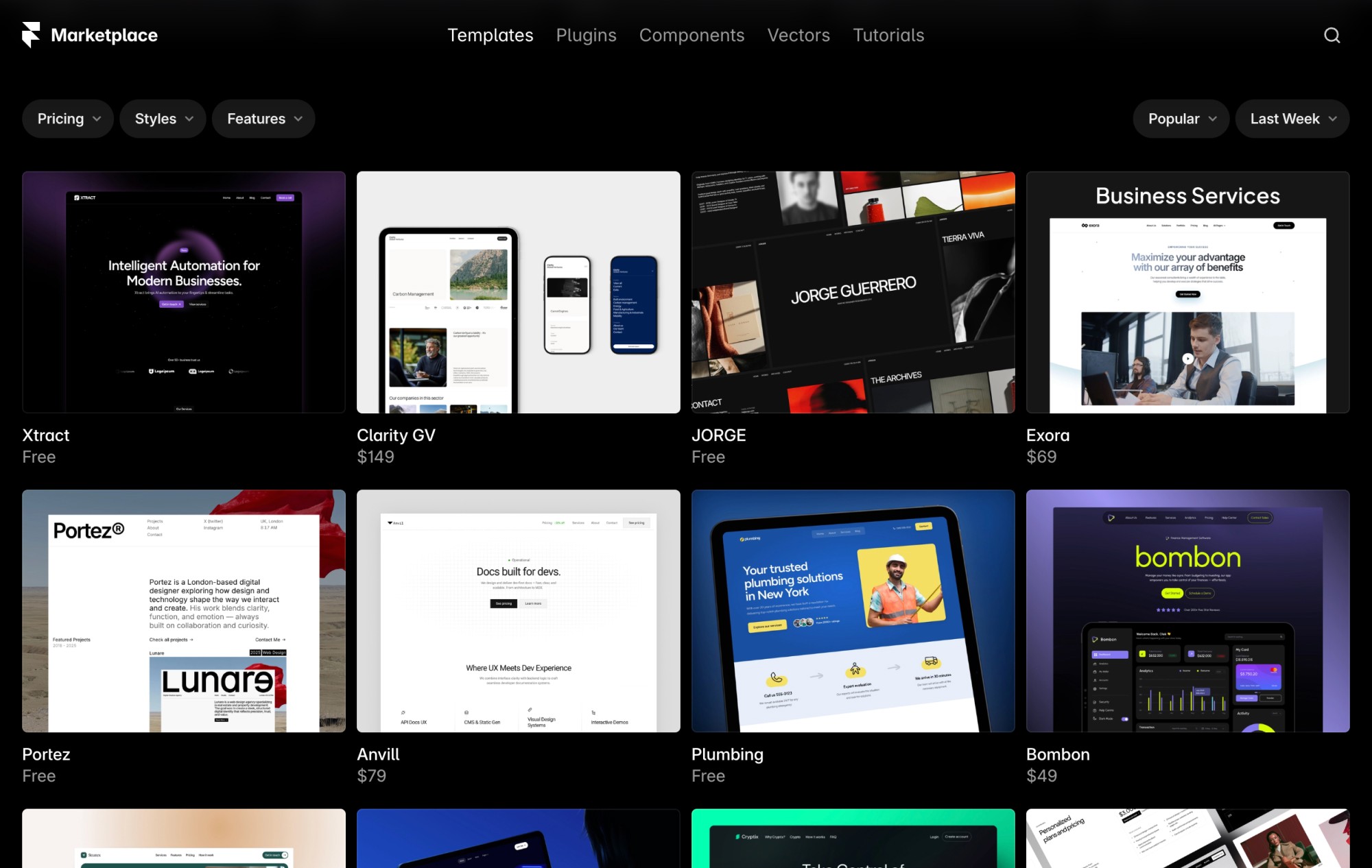
Templifica is a good place to find templates that meet these criteria. The quality filtering that happens through curation means you are less likely to spend time on a template that turns out to be fragile under customization.
Training Your Team on Template-Based Workflows
The workflow shift that templates require is mostly about mindset, not skill. Developers and designers who are used to building from scratch sometimes find it hard to resist the urge to tear apart a template and rebuild it their way. That impulse is usually counterproductive.
The better approach is to define clear rules upfront: what can be changed and what should stay as-is. Colors and content are always on the table. Core layout structures and component architecture should change only when there is a specific reason. Following those rules keeps the quality of the template intact while still making it feel custom.
The Future of Template-Based Agency Work
The template market is maturing. Framer templates are getting more sophisticated, more niche, and better maintained. That trajectory is good news for agencies.
As templates improve, the baseline quality of template-based sites goes up. That means agencies can take on more projects without sacrificing quality, clients get better outcomes faster, and the economics of web projects shift in everyone's favor.
The agencies that figure out how to build a clean template-based workflow now will have a real structural advantage over those who are still defaulting to custom builds for every project.