
Developer Portfolio Templates: Creating a Job-Winning Portfolio

As we enter into 2026 we've seen a huge change in the way that developers create their portfolio websites. The templates available now have much more than just a list of projects—they also include interactive elements, live code demonstrations, GitHub integration, and responsive design that draws the attention of both technical recruiters and hiring managers.

By

Anatolii Dmitrienko

|

|

0 Mins Read
0 Mins Read

Developer Portfolio Templates: Creating a Job-Winning Portfolio

As we enter into 2026 we've seen a huge change in the way that developers create their portfolio websites. The templates available now have much more than just a list of projects—they also include interactive elements, live code demonstrations, GitHub integration, and responsive design that draws the attention of both technical recruiters and hiring managers.

By

Anatolii Dmitrienko

|

|

0 Mins Read
A smiling female developer works on a laptop in a modern high-rise office at sunset. Behind her, a large curved monitor displays a dark-mode portfolio website template featuring project cards, skills charts, a GitHub contribution graph, and navigation links.

The developer portfolio template that fits your needs best will help you effectively communicate your skills and value to potential employers or clients, whether you are a front-end developer designing beautiful user interfaces, a back-end developer building robust systems, or a full-stack developer doing both.

In this ultimate guide to developer portfolio templates, we will walk you through everything you want and need to know about developer portfolio templates, including the essential features that all developer portfolios should have and current design trends, as well as what platforms and customization strategies to help you stand out in today's competitive tech job market.

What Are Developer Portfolio Templates?

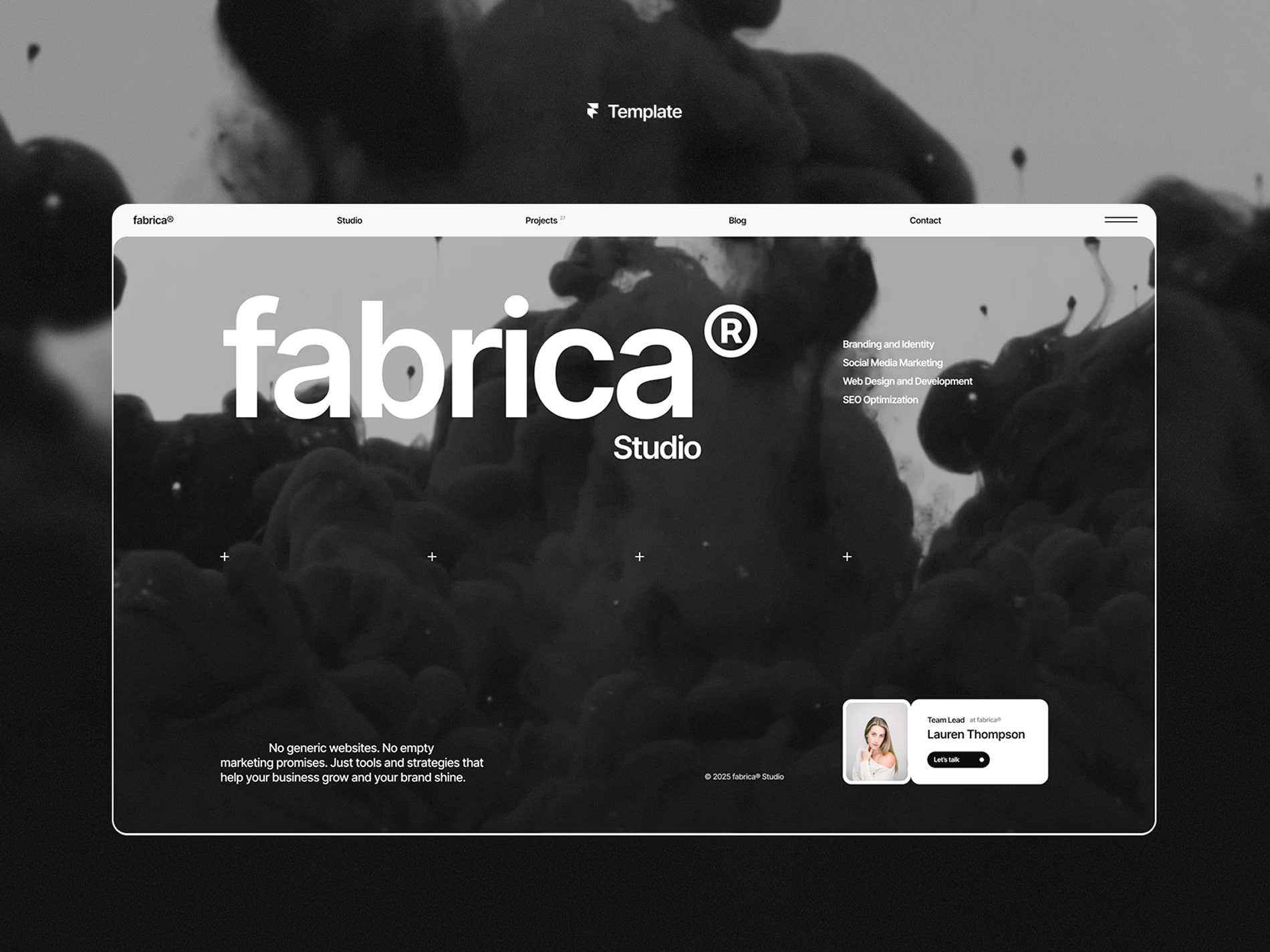
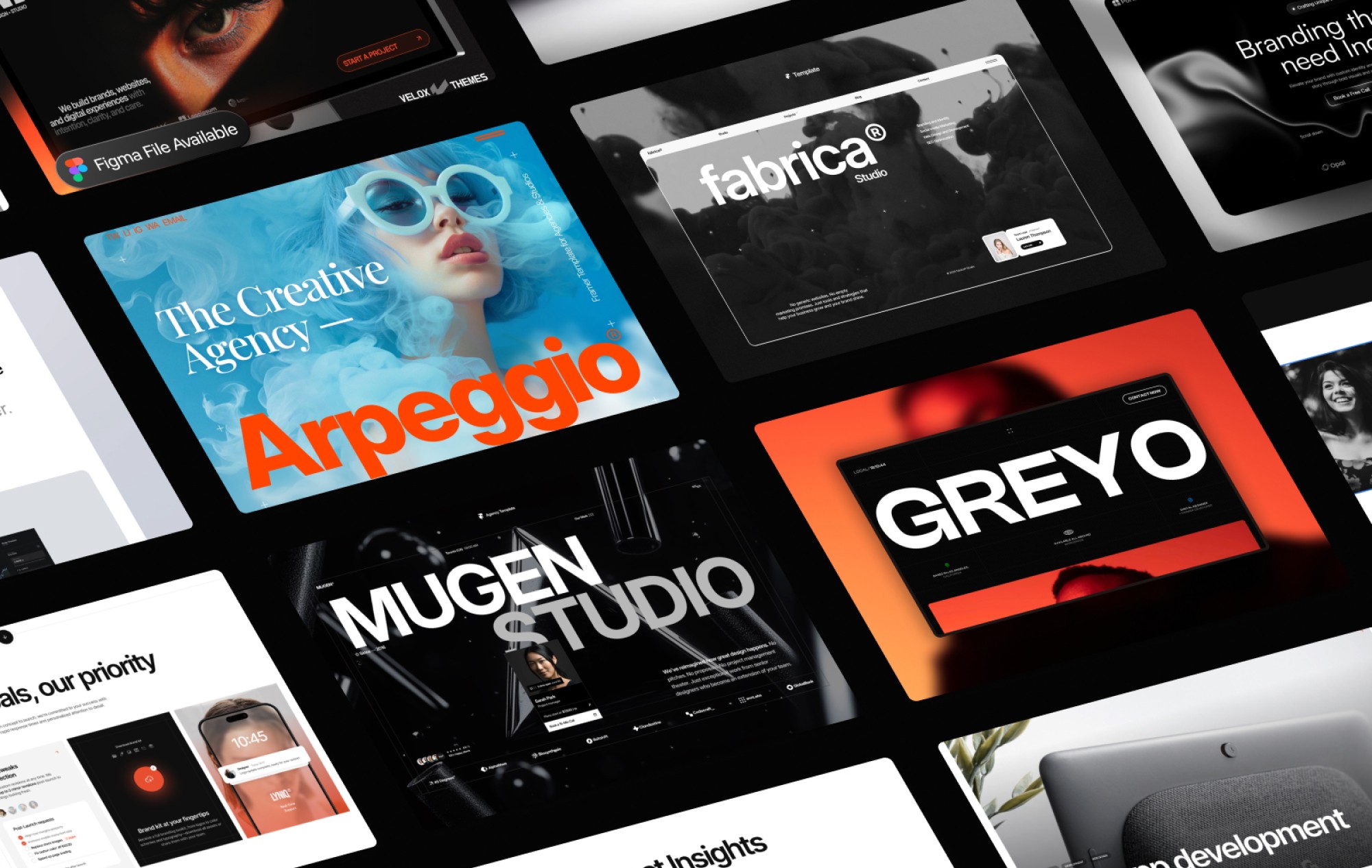
Developer portfolio templates are pre-designed website templates specifically designed to be used by software developers, programmers and engineers to showcase technical skills, coding projects and professional experience. Unlike generic website templates, developer portfolio templates are very specific to the needs of developers—they provide capabilities such as displaying code snippets with syntax highlighting, integrating with version control platforms such as GitHub, showcasing live project demonstrations and providing accessible formats for technical documentation.

Today’s modern developer portfolio template includes many features intended to highlight the developer’s skills and knowledge of various technologies. Examples of these features are project showcase sections, skills visualisation sections, work experience timeline sections, education background sections, blog sections for demonstrating technical knowledge, and contact sections.
High-quality developer portfolio templates include some essential features. These include:

  1. Responsive and Mobile-First Design: Many recruiters and hiring managers use multiple devices to view portfolios. The responsive design of a template enables you to create a professional, eye-catching portfolio on all screen sizes (desktop, tablet, and smartphone). In addition, a mobile-first design will enhance your portfolio’s search ranking and offer a better user experience.

  2. GitHub/Version Control Integration: A high-quality developer template allows integration with any version control system (GitHub, GitLab, BitBucket, etc.) to let you showcase your repository and contribution graphs directly on your portfolio. By doing this, developers provide recruiters with tangible evidence of their practice of coding, collaborating, and contributing to open-source. Technical recruiters view these traits as very valuable.

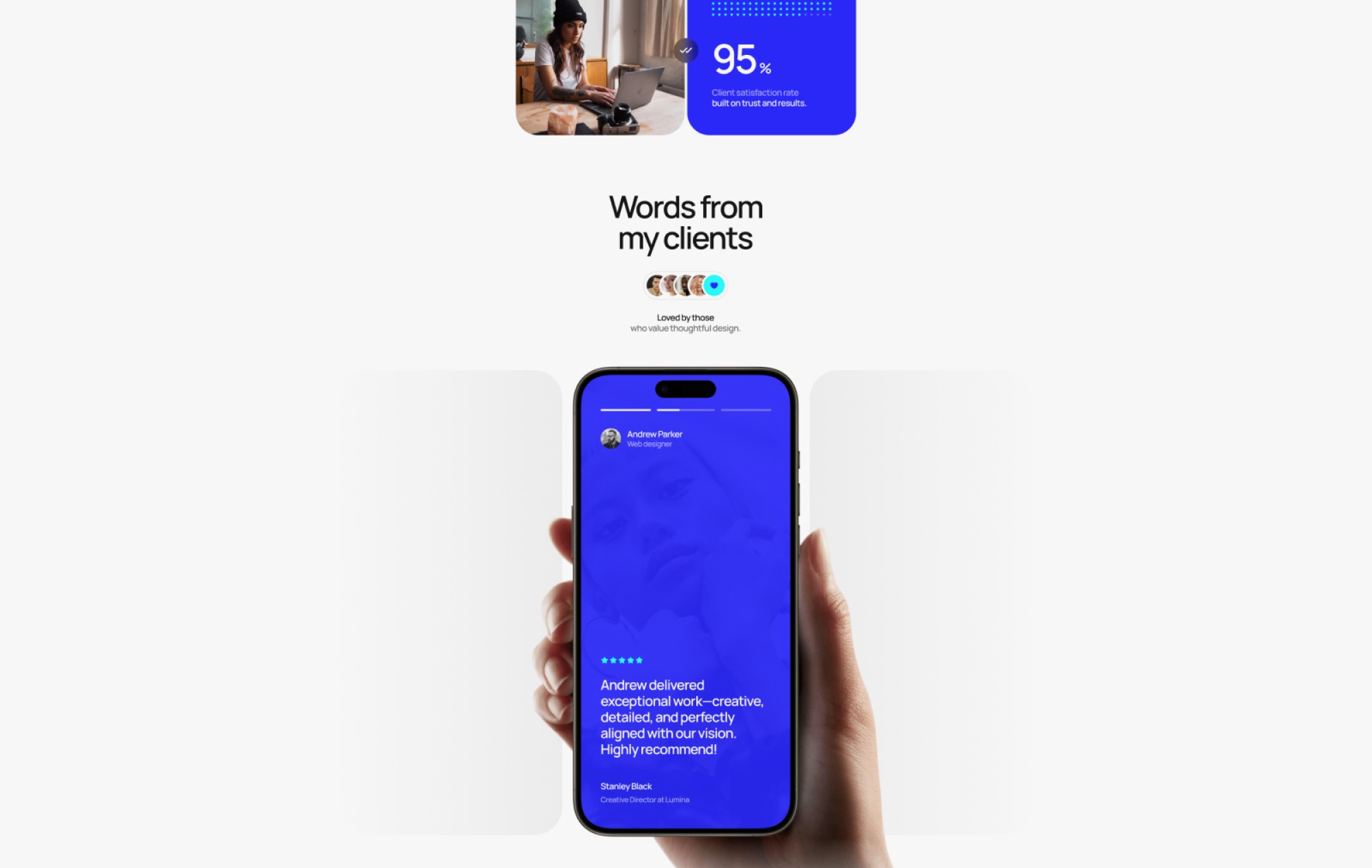
  3. Project Showcase with Live Demos: Exceptional developer portfolios showcase their projects by offering their audience live demonstrations, published links, and detailed project case studies. The best templates provide project cards with a letter-box style image, badges showcasing the technology stack used, a short project description, and a written link to the site where the project is located and the source code repository.

  4. Syntax Highlighted Code Snippets: Properly highlighting your code snippets demonstrates your attention to detail, the way you write code, and your coding style. A developer portfolio template supporting the syntax highlighting of the most used programming languages must support the easy-to-read and easy-to-understand formatting of code blocks.

  5. Skills Visualisation/Technology Stack: The modern-day templates provide creative methods to display the technical skills of the developer, including horizontal skill progress bars, skill clouds, or the use of logo images that represent the technology stacks used. All of these visuals assist recruiters in quickly understanding the level of proficiency the developer has with technical languages, frameworks, and tools.

  6. Performance Optimisation: Developers should create their portfolios based on best industry practices, which include the fast loading of their portfolios and the ability to optimise the performance of their portfolio templates. Using next generation technologies such as Next.js, React, or static site generators, the template should be able to load on all computers at lightning-fast speeds.

  7. SEO Architecture

If a recruitment company searches for a developer with your particular skills, having a portfolio set up with proper SEO will increase the possibility that your portfolio shows up in search results. Quality templates should include semantic HTML, structured data, optimised images, and meta tags.

2026 Trends for Developer Portfolios

1. Minimalist/Content-Focused Design

Developer portfolios will likely remain simple, clean, and minimalistic. The emphasis will remain on the developer's portfolio, which should have as few decorative features as possible. In contrast, Minimalist Design offers plenty of white space, clarity of information through typography and limited amounts of content will help your work to stand out.

2. Interaction/3D Elements and Animation

By adding interactive elements to your portfolio and incorporating subtle animation, you can not only showcase your technical skills, you can also provide your visitors with an enjoyable experience. Combinations of 3D graphics; parallax scrolling; and hover effects will help to create depth within your portfolio without overwhelming the viewer.

3. Dark Mode

Because most developers prefer a dark theme for their portfolios, many new portfolio templates will offer built-in dark mode functionality. Not only will this feature appeal to your target audience, it will also show that you are aware of your audience's preferences and the current web standards.

4. Bold Typography/Creative Navigation

Using large, bold typography will create a strong visual impact. You can showcase your creativity with the typefaces you choose and provide creative navigation methods.

5. Real-Time Data Integration

Many modern portfolios will connect real-time data directly from GitHub or Stack Overflow and provide you with a representation of your current coding activity; reputation score; problem-solving statistics and will demonstrate that you are active within the development community.

Types of Developer Portfolio Templates

Front-End Developer Templates

The front-end developer templates will showcase the visual aspect of your portfolio along with your UI/UX capabilities. Responsive design and CSS animation; as well as JavaScript interactions will demonstrate your proficiency in developing client-side applications.

Developer Portfolios w/ Template TypesBack-End Developer Templates

Focus on API documentation, system architecture and design, database design and implementation tech. Include technical documentation, performance metrics and system diagrams as part of a back-end portfolio.

FullStack Developer Templates

Integrate the front-end and back-end developer templates together to highlight skills in a variety of areas. An all-inclusive end-to-end development portfolio showing how each project was developed.

Audience or Specialized Templates For Developers

Templates tailored for a particular niche market like Mobile or Game Developer, DevOps Engineer or Data Scientist are designed for the relative market for that niche.

Homepage Containing A Clear Value Proposition

Your homepage should give visitors an immediate understanding of who you are, what you do and how you can provide additional value to them. Create an attractive and memorable homepage. An eye-catching headline, a professional picture, and a short introduction about yourself can create an impression.

Featured Projects

View Your Featured ProjectsIn this section, include 3-6 of your best projects. Describe each project in detail including technology stacks, challenges encountered, and solutions implemented, and provide links to both live demo versions and source code repositories for each project.

About Page with Your Story

Share how you got into programming, what interests you about programming, your work style, and what is motivating you as a programmer are things that help humanize the technical skills you have developed over time, and they enable employers to evaluate if you fit into their organisation's culture, as well as whether you are the right applicant for the role.

Your Skills and Technologies

Provide a list of your technical skills categorised by category (Languages, Frameworks, Tools, and Methodologies) and an honest self-assessment of your level of proficiency for each skill.

Your Work Experience and Education

A chronological record of your work and education. Provide the dates you worked in each organisation and your educational qualifications. Include the achievements and responsibilities that were part of your role.

Your Blog or Articles

Publish articles on your technical knowledge and demonstrate your ability to communicate effectively as a member of the programming community. Publish your articles on your website to show you have thought leadership in this space.

Your Contact Information and Calls to Action

Provide a number of contact options, allow recruiters to download your resume, and provide links to your social media accounts such as LinkedIn, GitHub, and Twitter.

Customising Your Developer Portfolio Template

Change the layout, colours, and typography of your portfolio template to fit your personal branding while still maintaining a professional appearance. Use a colour scheme that complements the screenshots of your featured projects.

Use Real Projects

Replace each placeholder project with an actual project that you have built. For each project, supply context, describe the contributions you made, the tools you used to build the project, and provide measurable results or lessons learned.

Optimize Your Content for Your Target Audience

Adjust the content of your portfolio to match the specific roles or organizations that you are applying to. Highlight the projects you have completed that best demonstrate your technical abilities and the skills which align with the job descriptions of the positions you want.

Analytics Implementation

Implement Google Analytics or similar tools to allow you to monitor visitor behaviour, popular projects, and visitor traffic sources. This will help you optimize your portfolio for maximum effectiveness.

Test Across All Devices and Browsers

You must also confirm that your portfolio works consistently across a variety of devices, screen resolutions, and web browsers.

Common Pitfalls to Avoid

  • Too Many Effects: Having too many animations, colors or effects will hurt performance and distract [visitors] from what is most important: your work.

  • Too Much Work: You want to focus on quality over quantity. Don't try to showcase every single piece of work you've ever created; instead, pick out your 3-6 best pieces and provide an overview of why they stand out.

  • Neglecting Mobile Use: A lot of recruiters view portfolios via mobile devices; therefore, if a recruiter views your portfolio via mobile and has a negative experience, that creates a negative impression.

  • Not Keeping Up with the Times: Be sure to constantly update your portfolio with any new work you have completed, any updated skills you have acquired, and accurate contact information.

  • No Live Demos: [if possible, it] is important to have a live demo/working version of each piece of work in addition to screenshots/descriptions.

Final Thoughts

A great developer portfolio template can make it easier to showcase your technical skills, projects and the entire professional path you've taken while searching for work in today's competitive tech job market. By selecting the appropriate template, customizing it to fit your unique needs and adding high-quality projects with valuable content that accurately reflects your abilities, your portfolio becomes a valuable resource to help open doors to new and exciting job opportunities.

The best Developer portfolios provide the ideal balance between visual appeal, high-quality technical demonstrations, and polished professional presentation versus personal authenticity; that is, they must tell a complete story with minimal distractions about your technical expertise and development experience.

If you are just beginning to explore your options as a developer, or you are an established developer in search of new opportunities, taking the time to build a high-quality developer portfolio will pay dividends in terms of increased exposure, greater opportunities for interviews/hire, and greater chances of being promoted or transitioned into a more advanced role.

Your developer portfolio should be viewed as a constantly evolving document; therefore, you should continually add new work to your portfolio, refine the way you present yourself and your skills, as well as ensure that your skill sets are kept current. Your developer portfolio should not only show what you've done; it should also represent who you will become as a developer.

A smiling female developer works on a laptop in a modern high-rise office at sunset. Behind her, a large curved monitor displays a dark-mode portfolio website template featuring project cards, skills charts, a GitHub contribution graph, and navigation links.

The developer portfolio template that fits your needs best will help you effectively communicate your skills and value to potential employers or clients, whether you are a front-end developer designing beautiful user interfaces, a back-end developer building robust systems, or a full-stack developer doing both.

In this ultimate guide to developer portfolio templates, we will walk you through everything you want and need to know about developer portfolio templates, including the essential features that all developer portfolios should have and current design trends, as well as what platforms and customization strategies to help you stand out in today's competitive tech job market.

What Are Developer Portfolio Templates?

Developer portfolio templates are pre-designed website templates specifically designed to be used by software developers, programmers and engineers to showcase technical skills, coding projects and professional experience. Unlike generic website templates, developer portfolio templates are very specific to the needs of developers—they provide capabilities such as displaying code snippets with syntax highlighting, integrating with version control platforms such as GitHub, showcasing live project demonstrations and providing accessible formats for technical documentation.

Today’s modern developer portfolio template includes many features intended to highlight the developer’s skills and knowledge of various technologies. Examples of these features are project showcase sections, skills visualisation sections, work experience timeline sections, education background sections, blog sections for demonstrating technical knowledge, and contact sections.

High-quality developer portfolio templates include some essential features. These include:

  1. Responsive and Mobile-First Design: Many recruiters and hiring managers use multiple devices to view portfolios. The responsive design of a template enables you to create a professional, eye-catching portfolio on all screen sizes (desktop, tablet, and smartphone). In addition, a mobile-first design will enhance your portfolio’s search ranking and offer a better user experience.

  2. GitHub/Version Control Integration: A high-quality developer template allows integration with any version control system (GitHub, GitLab, BitBucket, etc.) to let you showcase your repository and contribution graphs directly on your portfolio. By doing this, developers provide recruiters with tangible evidence of their practice of coding, collaborating, and contributing to open-source. Technical recruiters view these traits as very valuable.

  3. Project Showcase with Live Demos: Exceptional developer portfolios showcase their projects by offering their audience live demonstrations, published links, and detailed project case studies. The best templates provide project cards with a letter-box style image, badges showcasing the technology stack used, a short project description, and a written link to the site where the project is located and the source code repository.

  4. Syntax Highlighted Code Snippets: Properly highlighting your code snippets demonstrates your attention to detail, the way you write code, and your coding style. A developer portfolio template supporting the syntax highlighting of the most used programming languages must support the easy-to-read and easy-to-understand formatting of code blocks.

  5. Skills Visualisation/Technology Stack: The modern-day templates provide creative methods to display the technical skills of the developer, including horizontal skill progress bars, skill clouds, or the use of logo images that represent the technology stacks used. All of these visuals assist recruiters in quickly understanding the level of proficiency the developer has with technical languages, frameworks, and tools.

  6. Performance Optimisation: Developers should create their portfolios based on best industry practices, which include the fast loading of their portfolios and the ability to optimise the performance of their portfolio templates. Using next generation technologies such as Next.js, React, or static site generators, the template should be able to load on all computers at lightning-fast speeds.

  7. SEO Architecture

If a recruitment company searches for a developer with your particular skills, having a portfolio set up with proper SEO will increase the possibility that your portfolio shows up in search results. Quality templates should include semantic HTML, structured data, optimised images, and meta tags.

2026 Trends for Developer Portfolios

1. Minimalist/Content-Focused Design

Developer portfolios will likely remain simple, clean, and minimalistic. The emphasis will remain on the developer's portfolio, which should have as few decorative features as possible. In contrast, Minimalist Design offers plenty of white space, clarity of information through typography and limited amounts of content will help your work to stand out.

2. Interaction/3D Elements and Animation

By adding interactive elements to your portfolio and incorporating subtle animation, you can not only showcase your technical skills, you can also provide your visitors with an enjoyable experience. Combinations of 3D graphics; parallax scrolling; and hover effects will help to create depth within your portfolio without overwhelming the viewer.

3. Dark Mode

Because most developers prefer a dark theme for their portfolios, many new portfolio templates will offer built-in dark mode functionality. Not only will this feature appeal to your target audience, it will also show that you are aware of your audience's preferences and the current web standards.

4. Bold Typography/Creative Navigation

Using large, bold typography will create a strong visual impact. You can showcase your creativity with the typefaces you choose and provide creative navigation methods.

5. Real-Time Data Integration

Many modern portfolios will connect real-time data directly from GitHub or Stack Overflow and provide you with a representation of your current coding activity; reputation score; problem-solving statistics and will demonstrate that you are active within the development community.

Types of Developer Portfolio Templates

Front-End Developer Templates

The front-end developer templates will showcase the visual aspect of your portfolio along with your UI/UX capabilities. Responsive design and CSS animation; as well as JavaScript interactions will demonstrate your proficiency in developing client-side applications.

Developer Portfolios w/ Template TypesBack-End Developer Templates

Focus on API documentation, system architecture and design, database design and implementation tech. Include technical documentation, performance metrics and system diagrams as part of a back-end portfolio.

FullStack Developer Templates

Integrate the front-end and back-end developer templates together to highlight skills in a variety of areas. An all-inclusive end-to-end development portfolio showing how each project was developed.

Audience or Specialized Templates For Developers

Templates tailored for a particular niche market like Mobile or Game Developer, DevOps Engineer or Data Scientist are designed for the relative market for that niche.

Homepage Containing A Clear Value Proposition

Your homepage should give visitors an immediate understanding of who you are, what you do and how you can provide additional value to them. Create an attractive and memorable homepage. An eye-catching headline, a professional picture, and a short introduction about yourself can create an impression.

Featured Projects

View Your Featured ProjectsIn this section, include 3-6 of your best projects. Describe each project in detail including technology stacks, challenges encountered, and solutions implemented, and provide links to both live demo versions and source code repositories for each project.

About Page with Your Story

Share how you got into programming, what interests you about programming, your work style, and what is motivating you as a programmer are things that help humanize the technical skills you have developed over time, and they enable employers to evaluate if you fit into their organisation's culture, as well as whether you are the right applicant for the role.

Your Skills and Technologies

Provide a list of your technical skills categorised by category (Languages, Frameworks, Tools, and Methodologies) and an honest self-assessment of your level of proficiency for each skill.

Your Work Experience and Education

A chronological record of your work and education. Provide the dates you worked in each organisation and your educational qualifications. Include the achievements and responsibilities that were part of your role.

Your Blog or Articles

Publish articles on your technical knowledge and demonstrate your ability to communicate effectively as a member of the programming community. Publish your articles on your website to show you have thought leadership in this space.

Your Contact Information and Calls to Action

Provide a number of contact options, allow recruiters to download your resume, and provide links to your social media accounts such as LinkedIn, GitHub, and Twitter.

Customising Your Developer Portfolio Template

Change the layout, colours, and typography of your portfolio template to fit your personal branding while still maintaining a professional appearance. Use a colour scheme that complements the screenshots of your featured projects.

Use Real Projects

Replace each placeholder project with an actual project that you have built. For each project, supply context, describe the contributions you made, the tools you used to build the project, and provide measurable results or lessons learned.

Optimize Your Content for Your Target Audience

Adjust the content of your portfolio to match the specific roles or organizations that you are applying to. Highlight the projects you have completed that best demonstrate your technical abilities and the skills which align with the job descriptions of the positions you want.

Analytics Implementation

Implement Google Analytics or similar tools to allow you to monitor visitor behaviour, popular projects, and visitor traffic sources. This will help you optimize your portfolio for maximum effectiveness.

Test Across All Devices and Browsers

You must also confirm that your portfolio works consistently across a variety of devices, screen resolutions, and web browsers.

Common Pitfalls to Avoid

  • Too Many Effects: Having too many animations, colors or effects will hurt performance and distract [visitors] from what is most important: your work.

  • Too Much Work: You want to focus on quality over quantity. Don't try to showcase every single piece of work you've ever created; instead, pick out your 3-6 best pieces and provide an overview of why they stand out.

  • Neglecting Mobile Use: A lot of recruiters view portfolios via mobile devices; therefore, if a recruiter views your portfolio via mobile and has a negative experience, that creates a negative impression.

  • Not Keeping Up with the Times: Be sure to constantly update your portfolio with any new work you have completed, any updated skills you have acquired, and accurate contact information.

  • No Live Demos: [if possible, it] is important to have a live demo/working version of each piece of work in addition to screenshots/descriptions.

Final Thoughts

A great developer portfolio template can make it easier to showcase your technical skills, projects and the entire professional path you've taken while searching for work in today's competitive tech job market. By selecting the appropriate template, customizing it to fit your unique needs and adding high-quality projects with valuable content that accurately reflects your abilities, your portfolio becomes a valuable resource to help open doors to new and exciting job opportunities.

The best Developer portfolios provide the ideal balance between visual appeal, high-quality technical demonstrations, and polished professional presentation versus personal authenticity; that is, they must tell a complete story with minimal distractions about your technical expertise and development experience.

If you are just beginning to explore your options as a developer, or you are an established developer in search of new opportunities, taking the time to build a high-quality developer portfolio will pay dividends in terms of increased exposure, greater opportunities for interviews/hire, and greater chances of being promoted or transitioned into a more advanced role.

Your developer portfolio should be viewed as a constantly evolving document; therefore, you should continually add new work to your portfolio, refine the way you present yourself and your skills, as well as ensure that your skill sets are kept current. Your developer portfolio should not only show what you've done; it should also represent who you will become as a developer.

Launch today with

Framer

Templates

Framer

Templates

Framer

Templates

Fully responsive layouts

SEO-ready structure

Direct help from the maker

Premium Framer Templates

One-Time Purchase.
No Subscriptions.

One-Time Purchase.
No Subscriptions.

Simple pricing for creators, teams, and agencies.

Simple pricing for creators, teams, and agencies.

Standard Creator License

For individual creators.

$129

What's Included

Instant access to the template

Lifetime template updates

Single website license

Framer

Standard Creator License

For individual creators.

$129

What's Included

Instant access to the template

Lifetime template updates

Single website license

Framer

Standard Creator License

For individual creators.

$129

What's Included

Instant access to the template

Lifetime template updates

Single website license

Framer

Lifetime access

Best value

Get everything we create—forever.

$1101

$289

What's Included

ALL current & future templates + partner templates

Lifetime template updates

Use on unlimited websites

Priority email support

Early access

Framer

Figma

Lifetime access

Best value

Everything we create—forever.

$1101

$289

What's Included

ALL current & future templates + partner templates

Lifetime template updates

Use on unlimited websites

Priority email support

Early access

Framer

Figma

Lifetime access

Best value

Get everything we create—forever.

$1101

$289

What's Included

ALL current & future templates + partner templates

Lifetime template updates

Use on unlimited websites

Priority email support

Early access

Framer

Figma